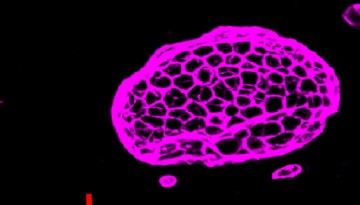
The environment surrounding the cells of a lymphoma tumor has a strong influence on the progression of these blood-cell cancers and their responses to therapies, according to a new study by Weill Cornell Medicine investigators.
Common fungi, often present in the gut, teach the immune system how to respond to their more dangerous relatives, according to new research from scientists at Weill Cornell Medicine.
Cornell and WWF will host a virtual conference Feb. 23 focused on the link between humans and wildlife, and the subsequent prevention of future pandemics.
A type of cell widely used for brain research and drug development may have been leading researchers astray for years, according to a study from scientists at Weill Cornell Medicine and Columbia University.
Poor function of the gene SMC3 can lead to improper immune cell development, and to cancer, by disrupting how DNA is structured inside the cell nucleus, according to new research from Weill Cornell Medicine.
Cases of symptomatic COVID-19 were extremely low among children and staff at a network of North Carolina YMCA day camps that took precautions like masking and physical distancing, researchers have found.
Researchers devised a new method of using extracts to create shelf-stable vaccines on demand, a potentially game-changing approach to fighting infection in regions that have limited access to such medicines.
New research from Elad Tako, associate professor of food science, shows that iron and zinc in biofortified foods, such as beans and wheat, can improve the health of gut bacteria and reduce the risk of malnutrition.
A $2.65 million gift to support Cornell and partner research in Tanzania will improve distribution of new and more resistant varieties of cassava while empowering women and marginalized groups in the East African nation.