By finding the atomic equivalent of a perfect handshake between two types of perovskite, researchers at Cornell have built solar cells that are not only high-performing, but exceptionally durable.
Inspired by the mechanisms plants use to store carbon, researchers found that sunlight can power the capture and release of carbon dioxide, which could vastly lower costs and net emissions.
Cornell researchers created a machine learning-based model that can forecast, with greater accuracy than current methods, the impact severe wildfire conditions will have on solar electricity generation.
A new study by researchers at Cornell Tech and the University of Pennsylvania shows freelance writers who are suspected of using AI have worse evaluations and hiring outcomes.
According to new research out of the Cornell SC Johnson College of Business, conservatives are more likely than liberals to negotiate over price for items such as used cars or houses.
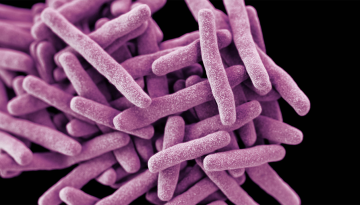
A new computational method developed by researchers at Cornell sheds light on how going dormant – sometimes for multiple generations – has affected the evolution of the tuberculosis bacterium and other organisms that can temporarily drop out of the gene pool.
Researchers in the College of Human Ecology have developed a design and fabrication approach that treats plants as companions to humans, with seeds woven into hydrogel material for apparel and other applications.
Cornell researchers found that by prioritizing the perspectives of white Americans instead of those from underrepresented groups, studies of pandemic disparities likely missed important insights from those most affected by COVID-19.
Nine doctoral candidates were inducted into the Cornell Chapter of the Bouchet Graduate Honor Society, which recognizes scholarly achievement and promotes diversity in doctoral education.