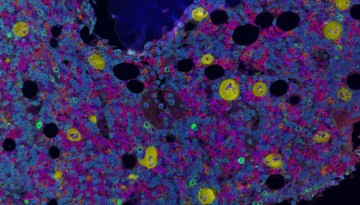
A team at Weill Cornell Medicine has mapped the location and spatial features of blood-forming cells within human bone marrow, confirming hypotheses about the anatomy of this tissue and providing a powerful new means to study diseases that affect bone marrow.
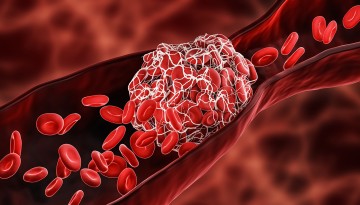
In patients with severe artery blockage in the lower leg, an artery-supporting device called a resorbable scaffold is superior to angioplasty, according to the results of a large international clinical trial co-led by researchers at Weill Cornell Medicine and NewYork-Presbyterian.
Steps from where dozens of young immigrant Jewish and Italian women died when a fire erupted in the locked sweatshop, 60 Cornell students, faculty, staff and alumni gathered Oct. 11 to honor the legacy of the Triangle Shirtwaist Factory tragedy.
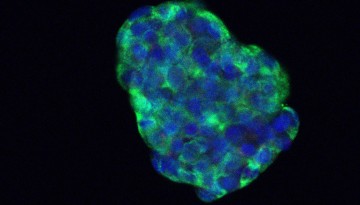
A drug currently in clinical trials as a cancer therapy can also stimulate pancreatic beta cells to secrete insulin, revealing a previously unknown mechanism for insulin regulation in Type 2 diabetes, according to a new study by Weill Cornell Medicine investigators.
U.S. Secretary of Transportation Pete Buttigieg provided an intimate look at the most pressing issues in federal infrastructure planning during a conversation on November 2 with students and faculty members from the Cornell Jeb E. Brooks School of Public Policy and the Roosevelt House Public Policy Institute at Hunter College.
Research on the role of hope in community work, online support groups and moderating online communities received awards at the 2023 Conference on Computer-Supported Cooperative Work And Social Computing.